Essential Tips for Choosing the Right Switchgear Power System?
Choosing the right switchgear power system is crucial for efficient electrical distribution. John Smith, a renowned expert in electrical engineering, states, “The foundation of a reliable power grid begins with select switchgear.” His insights highlight the significant role this equipment plays in both performance and safety.
When selecting a switchgear power system, understanding the core components is vital. Each component affects overall system reliability and safety. Potential users often overlook specific details or may misunderstand their needs. For instance, the right voltage ratings and configuration are essential for optimal performance.
Additionally, the long-term maintenance of your switchgear should not be ignored. Many systems may initially appear suitable but require more upkeep than expected. Consulting with an experienced professional can save time and resources. Recognizing these factors can lead to better decisions and improved system longevity.
Understanding Switchgear: Types and Their Functions
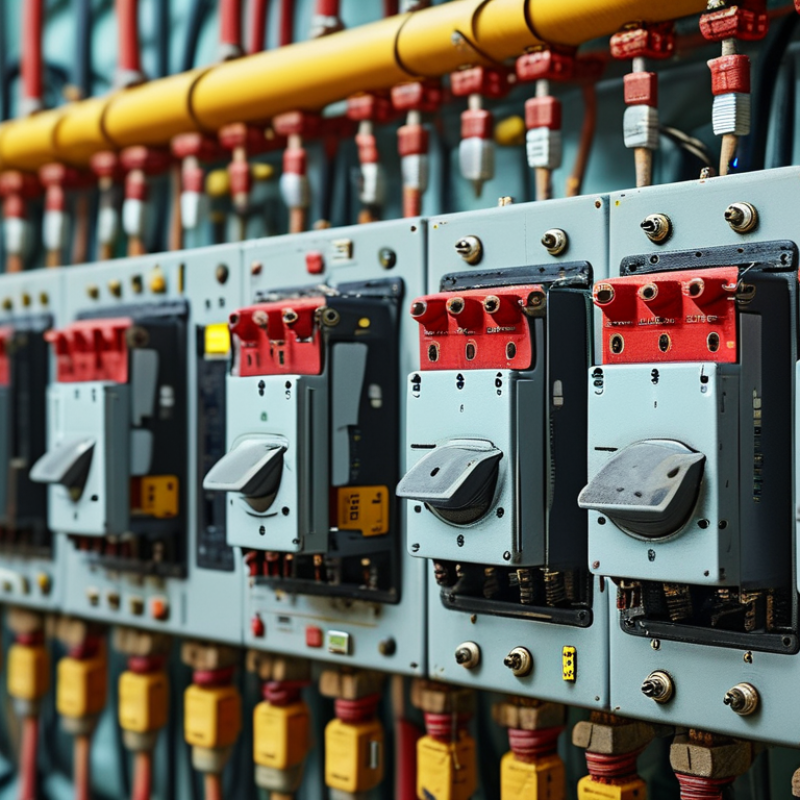
Understanding switchgear is crucial for effective power management. Switchgear consists of various components that control, protect, and isolate electrical equipment. The most common types include circuit breakers, relays, and disconnect switches. Each type has a unique function that caters to specific operational needs and safety requirements.
Inadequate understanding of switchgear types may lead to improper selection. Circuit breakers help prevent overloads while providing a means to safely shut off power. Relays monitor electrical conditions and activate circuit breakers when necessary. Disconnect switches serve as a manual method to isolate equipment for maintenance.
Selecting the right switchgear requires more than just a technical assessment. It's essential to evaluate the operational environment and load requirements. Factors like space limitations, voltage levels, and system reliability all influence the choice. Regular analysis of emerging technologies and practices can guide better decisions. Understanding these dynamics enriches your ability to make informed choices. Be prepared to rethink assumptions about what is essential for your specific context.
Key Factors to Consider When Selecting Switchgear Systems
When choosing a switchgear power system, understanding your specific needs is essential. Consider the voltage ratings, current capacity, and installation environment. Each project has unique demands. For example, indoors may require different insulation materials than outdoor setups. Proper selection ensures long-term reliability and safety.
Another crucial factor is maintenance frequency. Some systems demand regular checks, while others are more forgiving. Knowing the maintenance requirements helps in planning resources effectively. It’s vital to assess the skills of the maintenance team too. They should be familiar with the technology used in the chosen switchgear.
You might also want to reflect on customization options. Off-the-shelf solutions can sometimes miss the mark. They may not fit all operational needs. In such cases, it’s worth exploring tailored options. Collaborating with engineers during the selection process can lead to better outcomes. This way, you can avoid potential pitfalls and enhance efficiency.
Essential Tips for Choosing the Right Switchgear Power System
Evaluating Safety Standards and Compliance in Switchgear
When selecting a switchgear power system, safety should be a top priority. Compliance with safety standards is crucial. This means assessing the equipment's ability to protect both personnel and property from electrical hazards. Familiarize yourself with local and international safety regulations. Check for certifications that ensure the switchgear meets required performance and safety criteria.
Evaluating the design and installation of switchgear is also essential. Look for features that provide clear isolation and protection from fault currents. Enclosures should be robust and resistant to environmental conditions. Ensuring that the system has adequate circuit breakers and protective relays can significantly enhance safety. Never overlook the importance of proper maintenance schedules to keep safety equipment functional.
Consider environmental impacts too. The materials used in switchgear should minimize ecological harm. Transparency in manufacturing processes can also reflect ethical practices. Engaging with experts who understand these aspects can provide valuable insights. They can help identify potential flaws in the system design. Prioritizing these factors not only aids in safety compliance but also builds trust in the reliability of your power system.
Assessing the Cost-Effectiveness of Different Switchgear Options
When assessing the cost-effectiveness of various switchgear options, it's vital to consider multiple factors beyond just the initial purchase price. A recent industry report indicated that around 40% of electrical maintenance costs stem from outdated switchgear. Investing in modern systems can reduce these expenses significantly. Advanced switchgear can increase efficiency and minimize downtime by incorporating smart technology. The long-term savings can outweigh the initial investment, making it a clever financial choice.
Furthermore, consider the operational life of different switchgear types. For instance, well-maintained switchgear can last over 30 years. In contrast, outdated models might fail sooner, adding to costs through premature replacements. The International Electrotechnical Commission suggests that a more reliable switchgear system can lower lifetime operating costs by up to 15%. This data underscores the necessity of evaluating both upfront and ongoing expenditures when selecting switchgear.
Environmental sustainability is another pressing concern. As energy demands rise, the switchgear system chosen can influence energy efficiency. Opting for environmentally friendly materials can lead to reduced waste and energy consumption. Companies are increasingly prioritizing sustainable practices, reflecting a shift toward responsible consumption. These considerations must align with corporate values and financial objectives. Reflecting on these factors is crucial for making informed decisions about switchgear investments.
Essential Tips for Choosing the Right Switchgear Power System
| Switchgear Type |
Voltage Rating (kV) |
Current Rating (A) |
Cost Estimate ($) |
Maintenance Frequency (Years) |
Efficiency (%) |
| Air Insulated Switchgear |
24 |
1250 |
15,000 |
5 |
98 |
| Gas Insulated Switchgear |
36 |
1600 |
25,000 |
8 |
99 |
| Miniature Switchgear |
0.4 |
32 |
300 |
3 |
95 |
| Indoor Switchgear |
12 |
800 |
10,000 |
6 |
97 |
Importance of Maintenance and Support for Switchgear Systems
Maintaining switchgear systems is essential for reliable operations. Regular maintenance can prevent unexpected failures and extend system life. A report from the International Electrotechnical Commission (IEC) indicates that about 70% of electrical failures arise from inadequate maintenance. Neglecting this aspect can lead to costly downtimes and operational disruptions.
Proper support is equally vital. An effective support strategy includes training for operators and access to expert consultations. Studies show that well-supported switchgear systems have a 30% lower chance of experiencing critical failures. Organizations must prioritize training sessions to ensure a thorough understanding of equipment functioning.
When selecting switchgear, consider ease of maintenance. Complex designs may increase maintenance challenges. Opting for configurations that allow straightforward access can reduce downtime significantly. Regular inspections should also be part of your maintenance routine. Frequent checks can catch small issues before they escalate, saving time and resources. Remember, a proactive maintenance approach is always better than reactive fixes.
 Employee Login
  Contractors Induction