How to Improve Power System Quality: Essential Tips and Best Practices
In today's rapidly evolving energy landscape, enhancing power system quality has become a crucial objective for utilities and industries alike. Power system quality refers to the reliability, stability, and efficiency of power delivery, which directly impacts operational performance and customer satisfaction. According to the Electric Power Research Institute (EPRI), poor power quality accounts for approximately $150 billion in economic losses annually in the United States alone, underscoring the importance of addressing this pressing issue.
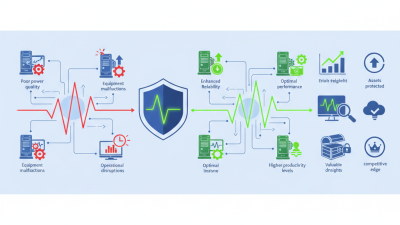
To tackle these challenges, implementing best practices in power systems is essential. With advancements in technology, such as smart grid systems and real-time monitoring solutions, there are numerous strategies available to improve power system quality. Studies indicate that power quality issues, including voltage sags, harmonics, and flickers, can lead to significant equipment damage and operational disruptions, resulting in lost productivity. By prioritizing improvements to power system quality, organizations can not only mitigate these impacts but also promote more sustainable and efficient energy use.
Incorporating professional insights and data-driven approaches into power quality management can drive transformative changes in energy distribution and usage. With the growing global emphasis on sustainable energy solutions, optimizing power system quality is not only a technical necessity but also a pathway to achieving long-term economic and environmental benefits.

Understanding Power System Quality: Key Definitions and Importance
Power system quality refers to the stability, reliability, and efficiency of electrical power supply, which significantly impacts both residential and industrial sectors. As defined by the Institute of Electrical and Electronics Engineers (IEEE), power quality encompasses the characteristics of the electrical power that influence the performance of electrical equipment. Poor power quality can lead to increased operational costs, reduced equipment lifespan, and even safety hazards. According to a report by the Electric Power Research Institute (EPRI), businesses lose approximately $150 billion annually due to power-quality-related issues, highlighting the importance of understanding and maintaining power system quality.
To improve power system quality, it is essential to employ best practices. First, regular monitoring and analysis of power quality parameters such as voltage sags, swells, and harmonics can help identify issues before they escalate. Data from the National Institute of Standards and Technology (NIST) indicate that integrating advanced monitoring technologies can reduce outages by up to 30%. Second, implementing power conditioning devices such as voltage regulators and filters can mitigate disturbances and smooth out the power supply. These devices not only protect sensitive equipment but also enhance overall system performance.
Tip: Conducting routine audits using power quality analyzers can provide valuable insights into system performance and help prioritize improvement efforts. Another effective strategy is to engage in employee training programs focused on energy management, as a well-informed staff can contribute to maintaining optimal power quality. By taking these proactive steps, organizations can foster a stable power environment that supports productivity and operational efficiency.
Power System Quality Analysis
Common Issues Affecting Power System Quality and Their Impacts
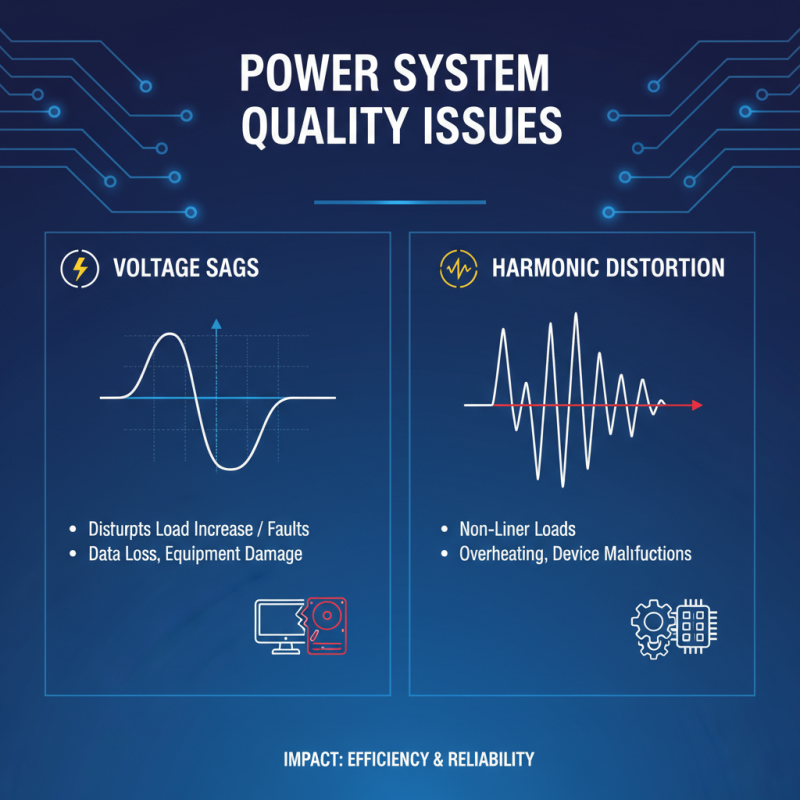
Common issues affecting power system quality can significantly impact both the efficiency of power delivery and the satisfaction of end-users. One prevalent issue is voltage sags, which typically occur due to sudden increases in load or faults in the system. These dips in voltage can disrupt sensitive electronic equipment, causing operational inefficiencies, data losses, and even equipment damage. Another frequent problem is harmonic distortion, which arises from non-linear loads. Harmonics can lead to overheating of electrical components and malfunctions in sensitive devices, adversely affecting overall system reliability.
Power factor problems are also a common concern in power systems. A low power factor indicates poor utilization of electrical power, which can lead to higher energy costs and increased demand charges. Utilities may impose penalties for consistently low power factors, incentivizing users to implement corrective measures. Additionally, frequency variations can occur due to imbalances between supply and demand, affecting the stability of grid operations and potentially leading to outages. Addressing these issues through proper monitoring, maintenance, and the implementation of corrective technologies can enhance power system quality and ensure a more reliable energy supply for all stakeholders involved.
Essential Monitoring Techniques for Evaluating Power Quality
Monitoring power quality is fundamental for ensuring the reliability and efficiency of electrical systems. One of the essential techniques is using power analyzers, which provide real-time data on voltage, current, frequency, and harmonics. By capturing this data, operators can identify fluctuations or disturbances that may lead to equipment failure or increased operational costs. The ability to visualize these parameters helps in making informed decisions for corrective actions and enhances overall system performance.
Another critical approach is the implementation of sound data logging practices. Continuous data logging allows for long-term analysis of power quality trends. By evaluating the data collected over time, it becomes easier to pinpoint recurring issues such as voltage sags or swells, transient disturbances, and harmonic distortions. Analyzing these patterns can inform infrastructure upgrades and maintenance schedules, leading to improved system stability and a reduction in downtime.
Lastly, utilizing advanced software tools to analyze power quality data can significantly enhance monitoring efforts. These tools can provide detailed reports and predictive analytics that assist in preemptively addressing potential power quality issues. By integrating these techniques into a power quality management strategy, organizations can optimize their energy consumption and maintain a higher standard of reliability in their electrical systems.
How to Improve Power System Quality: Essential Tips and Best Practices - Essential Monitoring Techniques for Evaluating Power Quality
| Monitoring Technique |
Description |
Benefits |
Recommended Frequency |
| Voltage Monitoring |
Tracking voltage levels to identify sags, swells, and outages. |
Prevention of equipment damage and compliance with standards. |
Continuous monitoring |
| Harmonic Analysis |
Analyzing the frequency spectrum to identify harmonic distortions. |
Improves system efficiency and reduces heating in equipment. |
Quarterly |
| Power Factor Monitoring |
Evaluating the ratio of real power used to apparent power in a system. |
Minimizes energy costs and enhances system performance. |
Monthly |
| Transient Analysis |
Monitoring short-duration voltage fluctuations. |
Protects sensitive devices and improves reliability. |
Per incident |
| Load Management |
Analyzing and controlling load changes in real-time. |
Optimizes energy usage and enhances system stability. |
Daily |
Best Practices for Enhancing Power System Stability and Efficiency
Improving the stability and efficiency of power systems is crucial for maximizing operational performance and reducing downtime. Several best practices can enhance system quality, and implementing these strategies can lead to significant benefits.
One essential tip is to conduct regular maintenance and monitoring of equipment. This includes performing routine inspections and utilizing advanced diagnostic tools to identify potential faults before they escalate. Regular maintenance minimizes unplanned outages and prolongs the life of critical components, ensuring that the system operates at peak efficiency.
Another best practice is to optimize load management. By analyzing consumption patterns and implementing demand response strategies, utilities can balance the load more effectively. This approach not only stabilizes the power system but also improves overall energy efficiency. Additionally, investing in technology such as energy management systems can provide real-time data, allowing for informed decision-making and proactive adjustments to maintain optimal performance.
By focusing on these strategies, power system operators can ensure enhanced stability and efficiency, ultimately leading to a more reliable and resilient energy infrastructure.
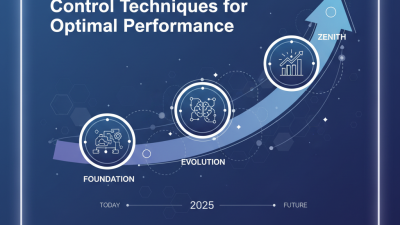
Future Trends in Power System Quality Improvement Strategies
In the evolving landscape of power systems, future trends in quality improvement strategies are increasingly focused on
digital transformation and the integration of renewable energy sources.
The adoption of advanced technologies like smart grids and IoT devices enables
real-time monitoring and management of power quality. By utilizing data analytics
and machine learning, utilities can predict and mitigate power quality issues before they escalate, enhancing
system reliability and efficiency. This proactive approach not only reduces downtime
but also optimizes the overall performance of the electrical grid.
Moreover, as renewable energy becomes more prevalent, the need for robust quality control mechanisms is paramount. The intermittency of sources such as
solar and wind energy necessitates innovative solutions to maintain stability and
reduce harmonics in power delivery. Energy storage systems and demand response strategies
will play a critical role, allowing for better balancing of supply and demand. Collaborative efforts among various stakeholders—utilities, technology providers, and
regulatory bodies—will be essential to develop standards and protocols that ensure high quality in a diverse energy landscape. As these trends progress, the focus will
remain on achieving not just efficiency but also sustainability in
power systems worldwide.
 Employee Login
  Contractors Induction